


In the field of gene therapy, adeno-associated virus (AAV) has become a highly anticipated gene delivery vector due to its safety and efficiency. However, the application of AAV still faces challenges such as transduction efficiency and complex production process. Recently, Dr. Zhao Piming of Daoji Gene Biotechnology (Suzhou) Co., Ltd. and Puxin Life used the PlexArray HT Ultra system to screen FDA-approved clinical compounds with potential effects on AAV, opening up a new path for the optimization and clinical transformation of AAV gene therapy.
AAV: The "star" vector of gene therapy AAV is a small, non-enveloped single-stranded DNA virus belonging to the Parvoviridae family. It has attracted much attention due to its wide application in gene therapy. Its main features include:
Low immunogenicity: not easy to induce strong immune response, high safety. Wide infectivity: can infect dividing and non-dividing cells, with a wide range of applications. Long-term expression: supports stable gene expression and lasting efficacy. Safety: wild-type AAV has no direct association with human diseases.
Despite this, AAV also has limitations:
Limited packaging capacity: can only carry DNA fragments less than 5kb. Complex production: The preparation process is cumbersome and the cost is high. Differences in transduction efficiency: Different serotypes have different efficiencies for specific tissues.
These challenges have driven scientists to explore new methods to optimize AAV.
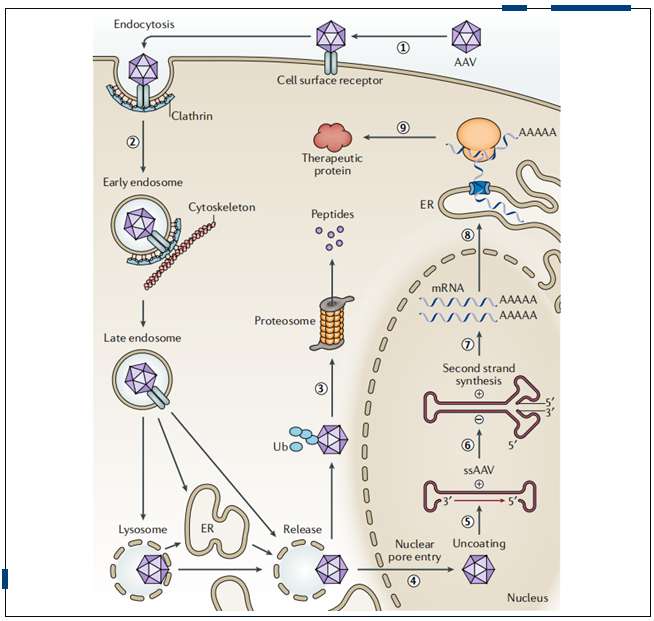
Figure 1 Schematic diagram of AAV transfection [1]
Dr. Zhao Piming: Pioneer in AAV gene therapy Dr. Zhao Piming graduated from the Institute of Microbiology, Chinese Academy of Sciences. He has worked as an assistant researcher, postdoctoral fellow and chief scientist for gene therapy at Loyola University Medical Center, Chicago, and the University of California, San Francisco (UCSF) and its affiliated children's hospital. While in the laboratory of Professor Julie Saba of UCSF, he collaborated with Professor Hildebrandt, a world-renowned chronic kidney disease (CKD) expert, to pioneer AAV gene therapy research for human chronic kidney disease, creating a precedent in this field. With rich global R&D experience and clinical resources, Dr. Zhao is committed to promoting early drug discovery and clinical application of AAV gene therapy.
PlexArray HT Ultra System: A powerful tool for high-throughput screening The PlexArray HT Ultra System is a high-throughput screening platform based on surface plasmon resonance imaging (SPRi) technology that can rapidly detect the biological activity of a large number of compounds. Its core advantages include:
High throughput: hundreds to thousands of samples can be analyzed in a single experiment. Label-free detection: avoid label interference and provide real data. Real-time analysis: provide kinetic parameters and in-depth understanding of molecular interactions.
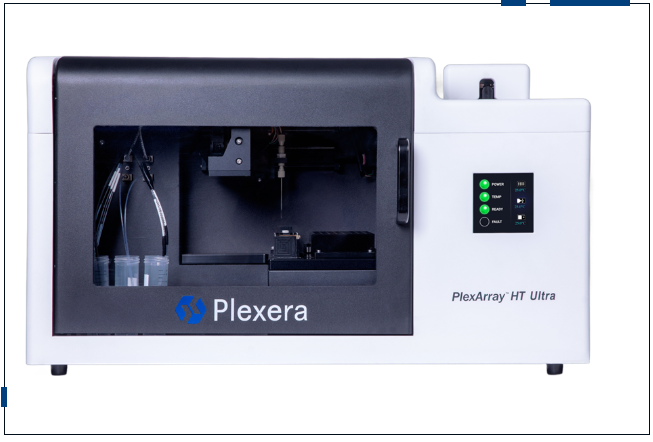
Figure 2 PlexArray HT Ultra
The system uses microarray chips to fix target molecules and uses SPR technology to monitor the binding events between the test compound and the target to achieve efficient and accurate screening.
Application direction of screening FDA-approved compounds Dr. Zhao Piming cooperated with Puxin Life to use the PlexArray HT Ultra system to screen FDA-approved compounds related to AAV and explore the following application directions:
Enhance AAV transduction efficiency By quickly screening the FDA drug library, identify compounds that can improve AAV transduction efficiency, and provide a safe and efficient way to optimize gene therapy effects. Optimize AAV production to discover compounds that can improve AAV yield or quality, improve production processes, and reduce clinical application costs. Study the interaction between AAV and host cells to reveal the mechanism of action of AAV and host cells, and provide a scientific basis for vector design optimization. Develop drug combinations that complement adjuvant therapy screening and AAV treatment to promote the development of combined treatment strategies. Safety assessment evaluates the safety impact of FDA-approved drugs on AAV therapy to ensure that both efficacy and safety are taken into account.
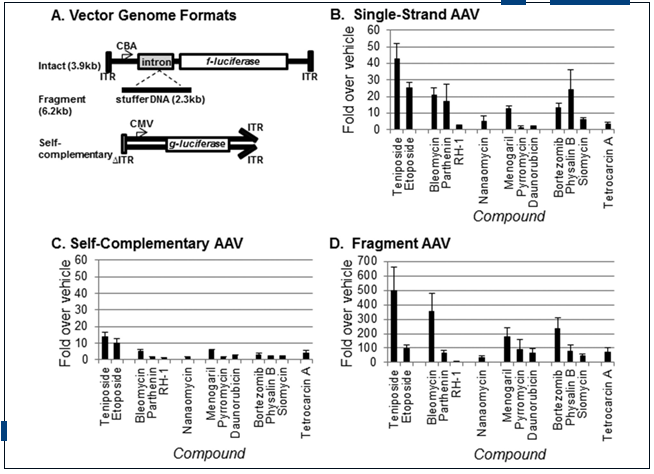
Figure 3 Small molecule compounds improve AAV transfection efficiency [2]
The PlexArray HT Ultra system provides strong support for the optimization of AAV gene therapy. Dr. Zhao Piming's collaboration with PlexLife demonstrates the great potential of high-throughput screening technology in the field of gene therapy. This innovative work not only injects new vitality into the clinical transformation of AAV, but also brings new hope to global gene therapy research. Let us look forward to more breakthroughs in this field and benefit more patients!
References [1] Li C, Samulski RJ. Engineering adeno-associated virus vectors for gene therapy. Nat Rev Genet. 2020;21(4):255-272
[2] Nicolson SC, et al. Identification and Validation of Small Molecules That Enhance Recombinant Adeno-associated Virus Transduction following High-Throughput Screens. J Virol. 2016;90(16):7019-7031.


